Room 1 · The Empire's Gaze (Ming)
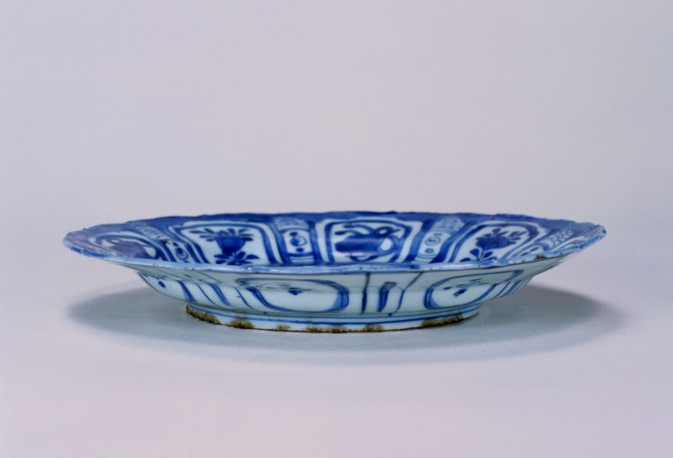
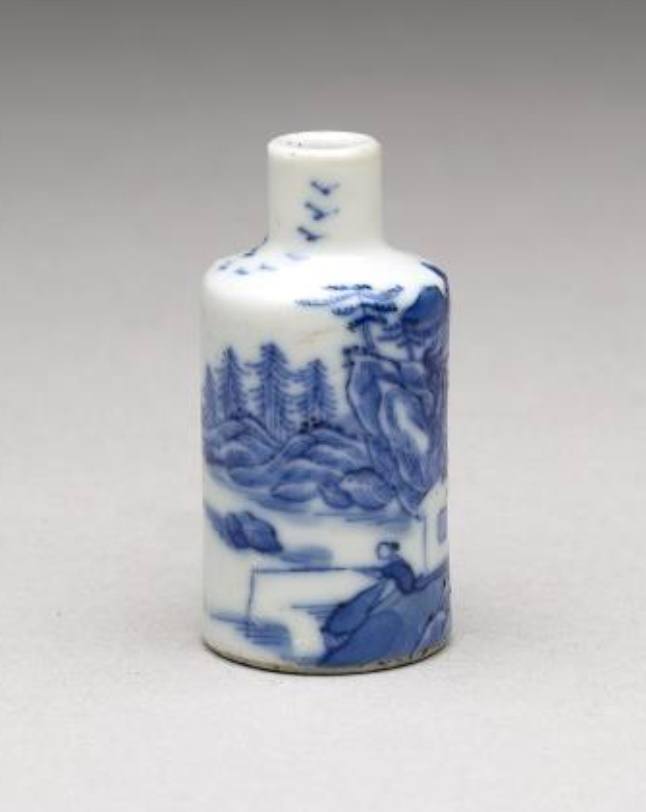
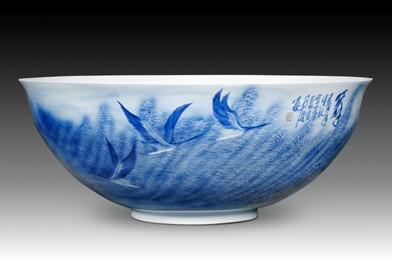
Between 1405 and 1433, the Yongle Emperor sent Zheng He on seven major voyages across the Indian Ocean. These expeditions combined imperial ambition with curiosity. By the mid-sixteenth century, global trade transformed with the Manila Galleon route, bringing American silver to China. Jingdezhen responded by creating Blue-and-white porcelain for global buyers.
The Great Voyages! 🚢
Long ago, a famous admiral named Zheng He sailed giant wooden ships all the way to Africa! He brought back giraffes and jewels. Later, traders from Europe came to buy Chinese porcelain because they loved the beautiful blue drawings on white clay. They paid with silver coins!
This era defines the transition from the state-sponsored voyages of Zheng He (1405-1433) to the privatized maritime trade networks of the late Ming. The influx of New World silver via the Manila Galleon trade fundamentally altered the Ming fiscal system and stimulated Jingdezhen's production of 'Kraak' porcelain, specifically designed for European bourgeois tastes.
Object Highlights
Room 2 · The Cosmos of the Court (High Qing)
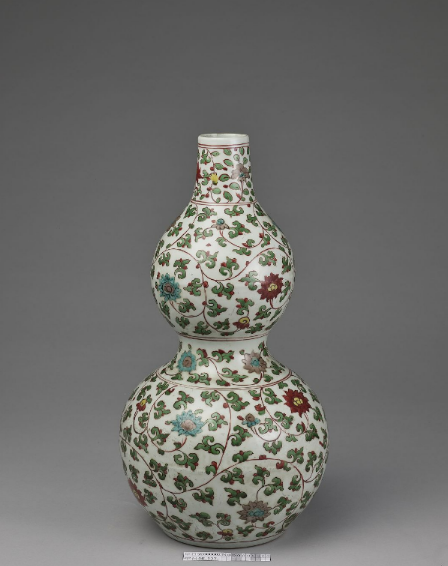
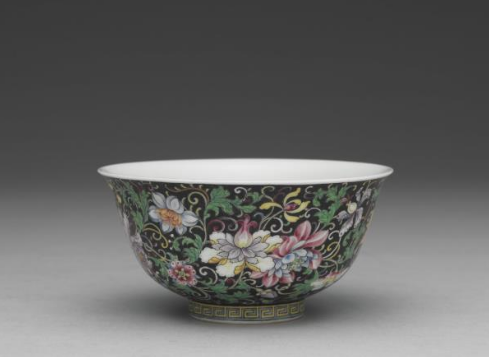
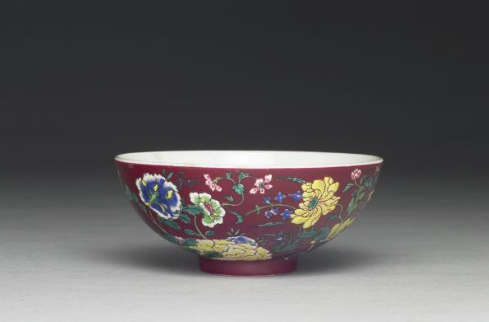
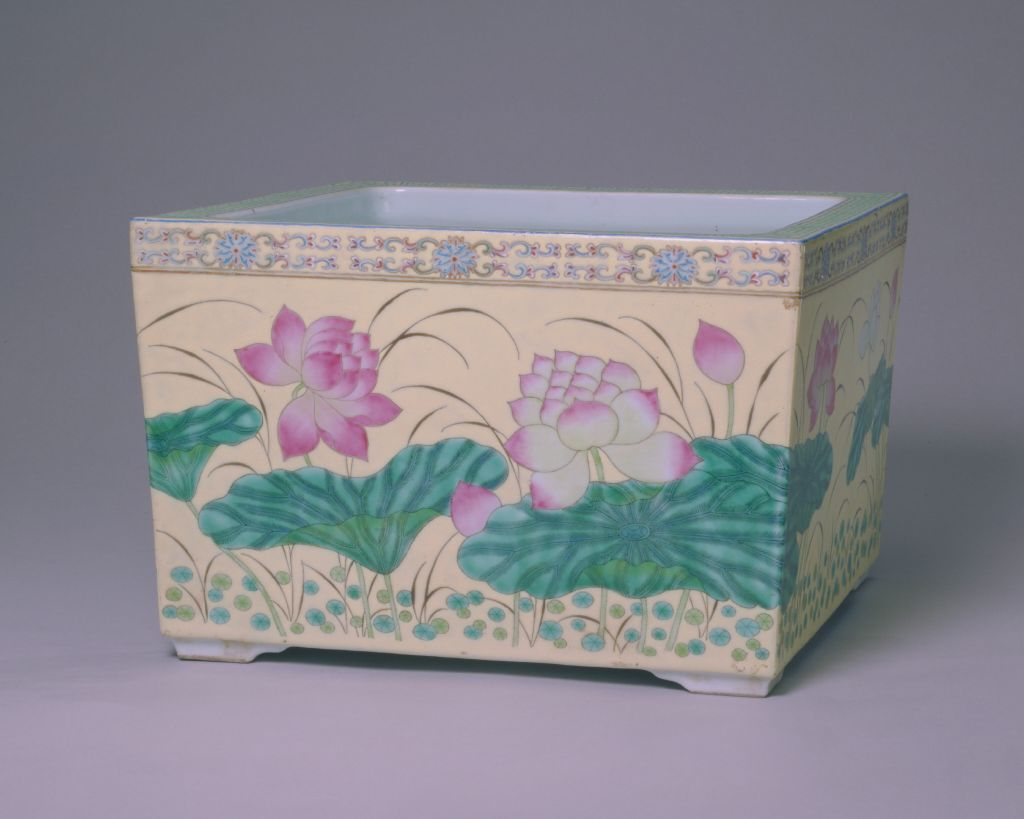
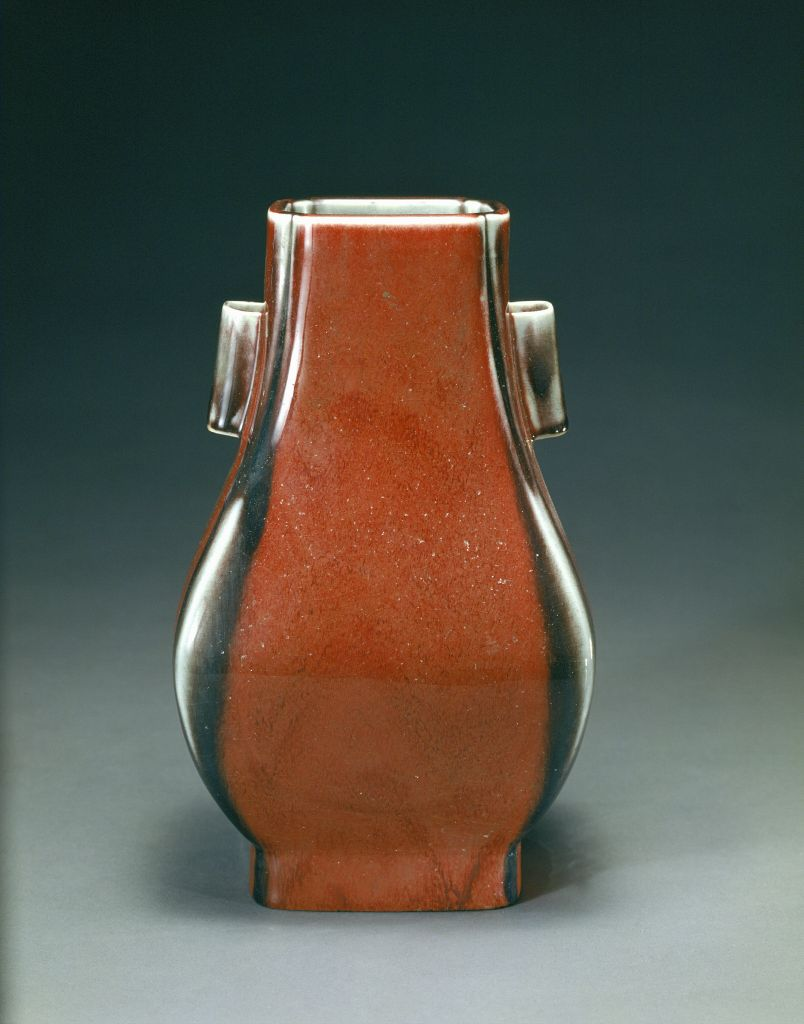
The "High Qing" era (1662-1795) marked the height of China's absolute monarchy. Imperial kilns at Jingdezhen became extensions of imperial will. At the same time, Jesuit missionaries introduced European techniques like enamelling. The emperors used these Western skills to strengthen their own image as rulers of the world.
The Emperor's New Colors! 🎨
During this time, the Emperors were very powerful. They met visitors from Europe who taught them how to make new, bright colors like pink and yellow on porcelain. The Emperor wanted everything to be perfect, so the artists had to be very careful!
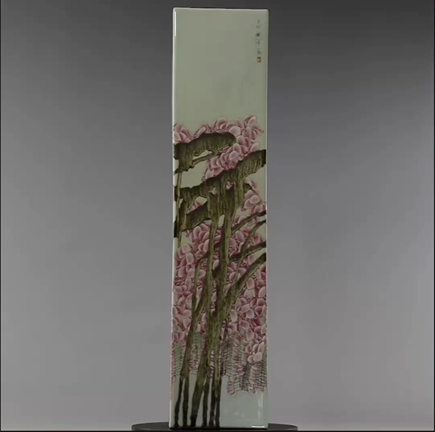
The High Qing period represents the zenith of the Imperial Kiln system. Through the agency of Jesuit missionaries like Castiglione, the court assimilated Western enamelling technology (Falangcai). This was not passive reception but active appropriation, using Western perspective and chiaroscuro to visually construct the Qianlong Emperor's universalist ideology.
Object Highlights
Room 3 · A Shift in the Wind (Late Qing)
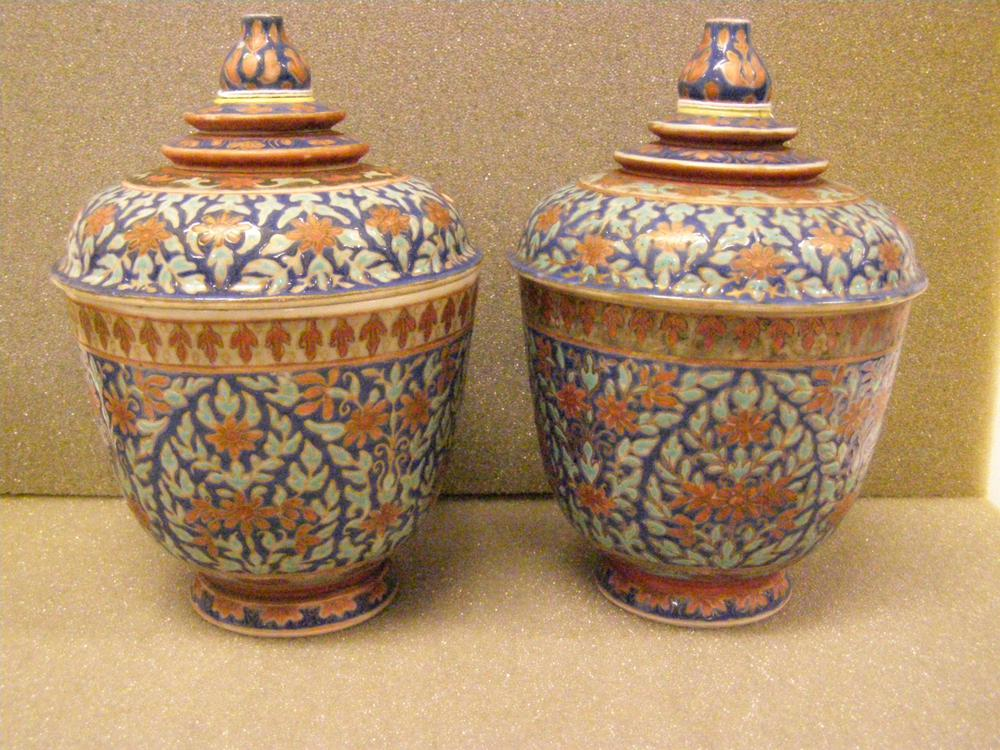
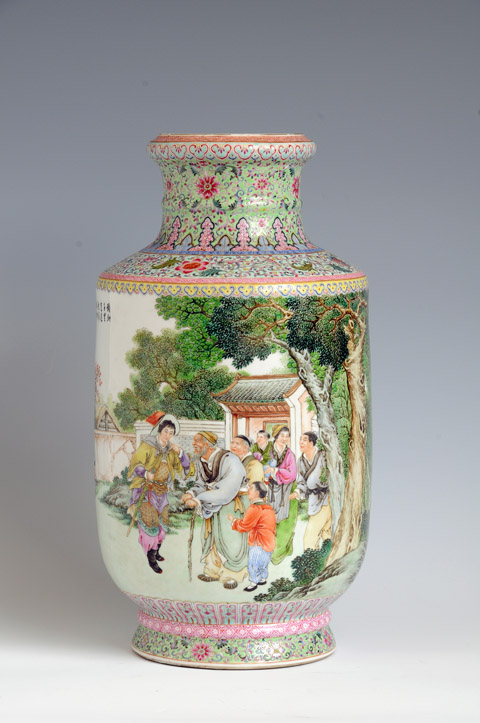
After the Opium Wars, China was forced to open treaty ports to the West. The court's control weakened, but cities flourished. A wealthy middle class emerged, wanting new objects. Porcelain changed from ritual use to everyday aesthetics, showing unprecedented freedom in form and colour.
Cities are Growing! 🏙️
China started to trade more with the world. People in cities became richer and wanted beautiful things for their homes, like colorful vases with stories painted on them. Artists started painting freely, not just what the Emperor wanted.
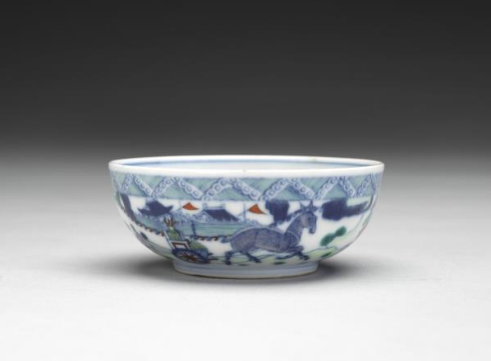
The post-Opium War era witnessed the disintegration of the imperial monopoly on high-quality ceramics. The rise of treaty ports like Shanghai fostered a bourgeois consumer culture. Porcelain production shifted towards 'Qianjiang' and later 'Fencai' styles, reflecting a modernization of literati aesthetics and the commodification of art for a nascent urban market.
Object Highlights
Room 4 · The World's Echo (Modern)
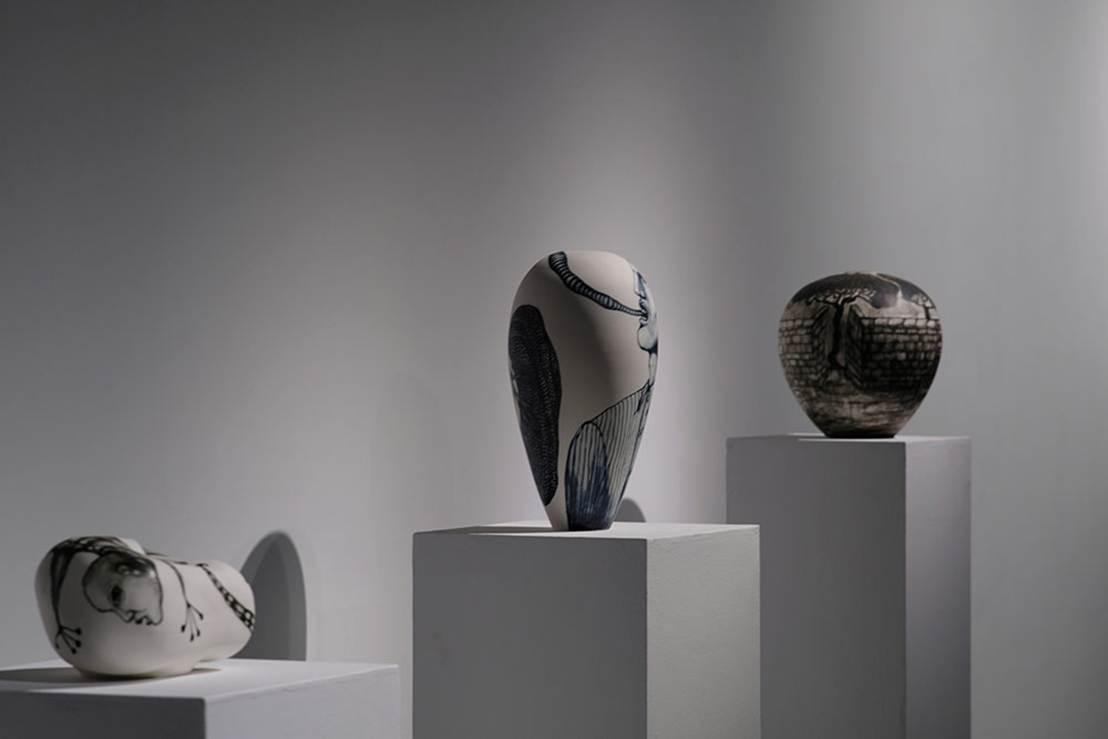
In 1978, China opened up to the world again. Jingdezhen transformed into a creative hub attracting international artists. Modern ceramic art now explores personal identity and global dialogue, expressing confidence in cultural heritage.
Artists from Everywhere! 🌍
After 1978, China invited friends from all over the world. Artists came to Jingdezhen to learn how to make pottery. They made huge sculptures and new cool designs, mixing old Chinese skills with new ideas!
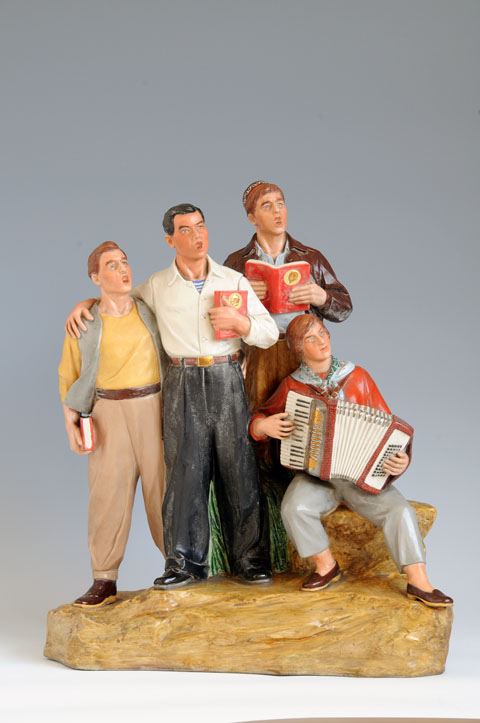
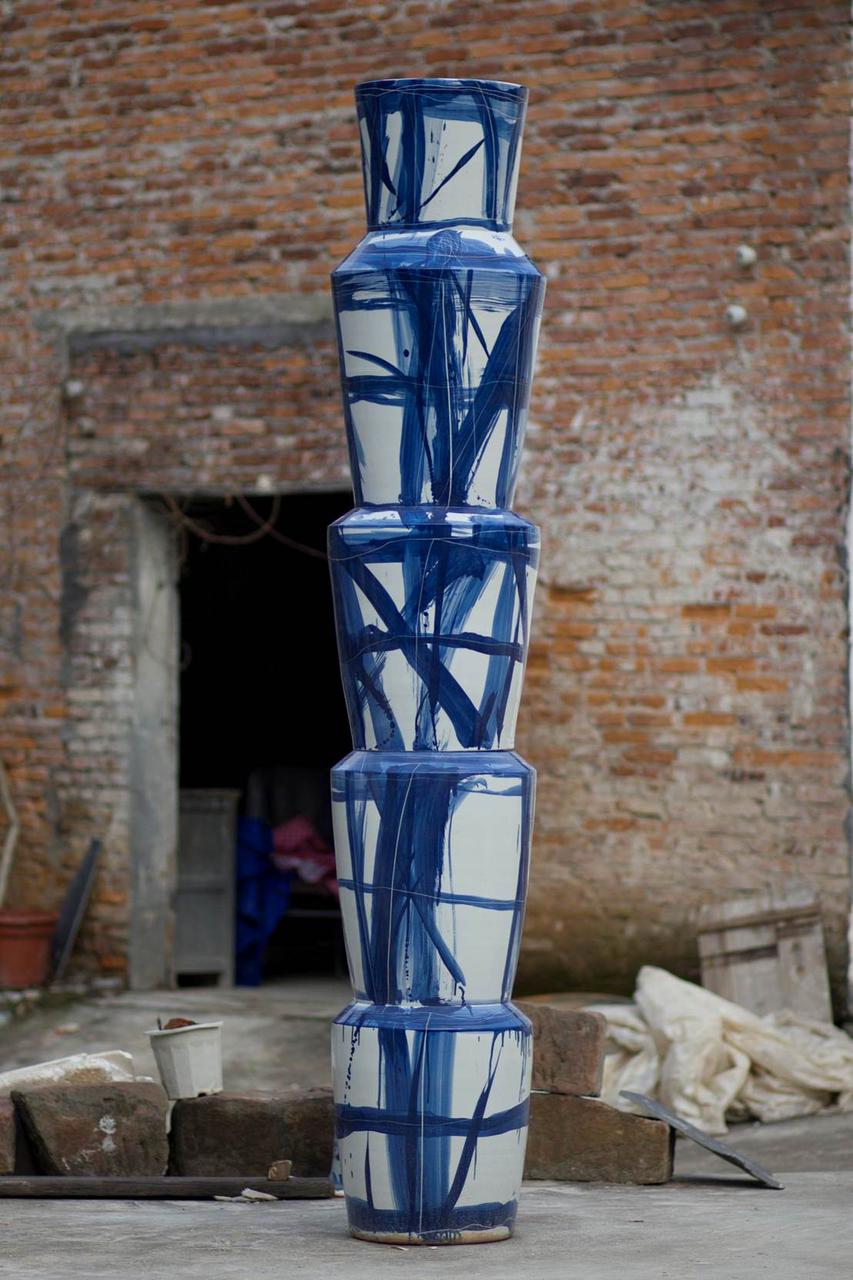
The Reform and Opening-up policy (1978) catalyzed the transition of Jingdezhen from a socialist production unit to a global creative cluster. Contemporary ceramicists now engage in a transnational dialogue, deconstructing traditional forms (as seen in Felicity Aylieff’s monumental works) to negotiate Chinese cultural identity in a globalized art world.
Object Highlights
Room 5 · Prelude to the Future
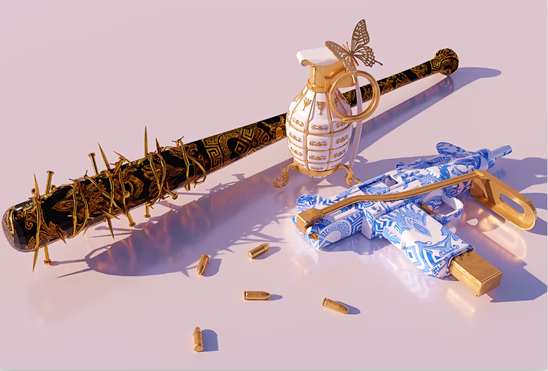
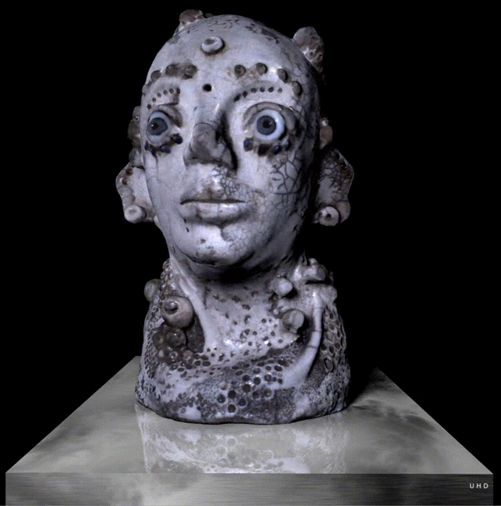
Today, porcelain enters the "metaverse". With blockchain and NFTs, ceramic art becomes a digital asset. Clay and fire are not replaced but extended into virtual space, asking how we will preserve culture in the future.
Porcelain in Video Games? 🎮
Imagine owning a vase that only exists on a computer! Today, artists are making "digital porcelain" that you can collect like trading cards. It shows that even old traditions can become futuristic!
The intersection of craft and Web3 technologies redefines materiality. Porcelain NFTs challenge the ontology of the object: works like "March" utilize NFC chips to bridge physical provenance with digital immutability. This room interrogates the future of heritage conservation in an era of virtualization and the Metaverse.
Object Highlights